Separation Anxiety And Sleep:
What Parents Need to Know
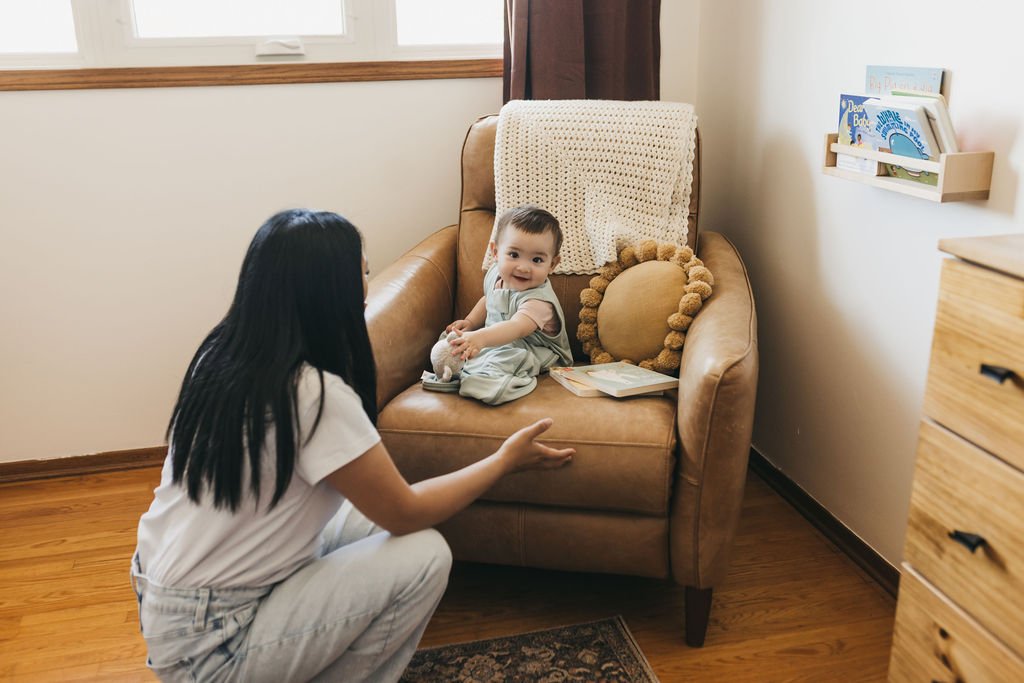
Separation anxiety can absolutely disrupt sleep—but age alone doesn't tell us that's what's happening.
Why Is My Baby Suddenly Crying at Bedtime?
Your baby was going to bed happily, and now they cry the moment you step away. They may fight naps, wake more frequently or suddenly need extra reassurance overnight.
This can feel like sleep has completely fallen apart, but separation anxiety is a normal stage of development, not a sign that you have done something wrong.
Separation anxiety commonly becomes noticeable during the second half of the first year. It often becomes especially noticeable around 8–10 months, and some children experience another period of increased separation anxiety during the toddler years.
Our babies are learning object permanence. The tricky part? They understand that you've gone—but they don't yet have the same understanding that you'll always come back.
How to Help Without Changing Everything
Offer plenty of connection throughout the day, especially before sleep. Play peekaboo, spend a few happy minutes together in the nursery and practise brief separations while your baby is awake.
When you leave, use a short and predictable goodbye instead of quietly sneaking away. These small experiences help teach your baby that separations are temporary and that you always return.
At bedtime, keep the familiar routine and respond calmly and consistently.
It is okay to offer additional reassurance during this stage. At the same time, you don't necessarily need to completely change everything that was working before. Keep the familiar pieces of your routine in place and offer extra support in ways that feel sustainable for your family.
Research published in Pediatrics has also found that responsive-parenting approaches—including developmentally appropriate bedtime routines and responses to night wakings—can support healthy infant sleep habits. In other words, responsiveness and healthy sleep do not have to be opposites. Comfort and consistency can exist together.
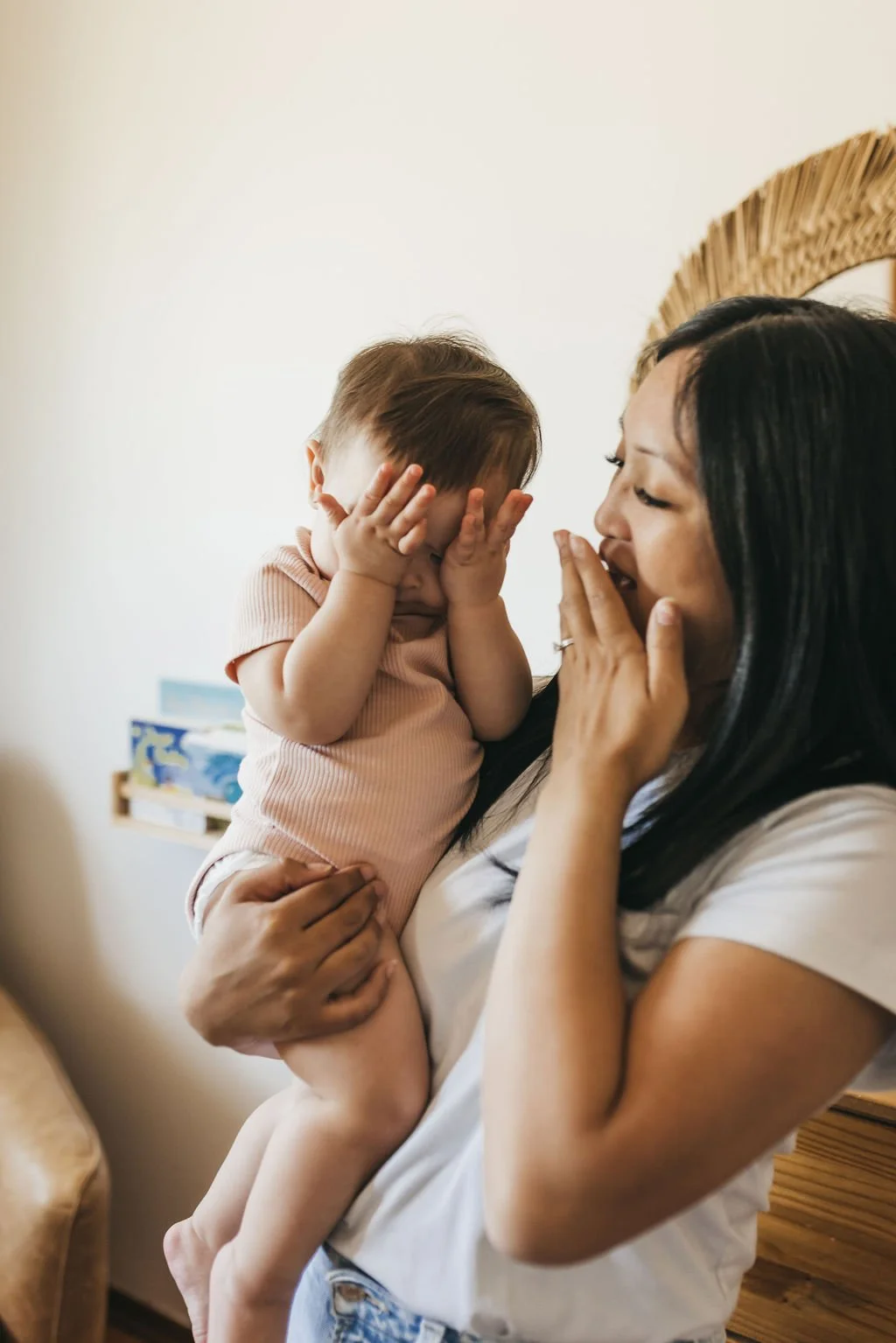
Play peekaboo, spend a few happy minutes together in the nursery and practise brief separations while your baby is awake.
This Stage Will Pass
Your baby's tears do not mean they have lost the ability to sleep or that you've somehow caused this stage.
They mean your baby knows you are important and would prefer to keep you close. Continue showing them that bedtime is safe, your routine is dependable and you always come back. Separation anxiety usually comes in waves, but with connection, reassurance and consistency, sleep can settle again.
Safety reminder: Keep baby's sleep space firm, flat and clear of soft items such as blankets, pillows, stuffed toys and loveys, and please follow current government safe-sleep recommendations.
But Is It Actually Separation Anxiety?
Separation anxiety can absolutely disrupt sleep—but age alone doesn't tell us that's what's happening.
If your baby's sleep suddenly changes, we also want to consider the rest of the picture:
Has their nap schedule changed?
Are wake windows still working well?
Are they learning a major new skill?
Have they been sick or uncomfortable?
Has anything changed in their routine or environment?
What happens when you offer reassurance?
This is why we treat separation anxiety as one possible clue - not an automatic explanation for every new sleep struggle.
We'd love to help.
If your baby's sleep suddenly changed and you're wondering, “Is this separation anxiety… or is something else going on?” you don't have to figure it out alone.
At Sleepy Ever After, helping families troubleshoot these tricky stages is exactly what we love to do.
Sometimes all it takes is one conversation to help you understand what changed, what your baby may be communicating, and which gentle strategies make sense for your child.
Our Sleep Strategy Call is designed for parents who don't necessarily need weeks of support—they simply need experienced eyes on the whole picture, clarity on what may be happening, and a plan that fits their family.
Because sometimes separation anxiety is the answer. And sometimes it's simply one clue in a much bigger sleep picture.
We'd be honoured to help you figure out which one it is. 🤍
