2 to 1 Nap Transition

Before making the change, look for a pattern rather than one or two difficult days.
Is Your Toddler Ready For One Nap?
The 2-to-1 nap transition can be confusing because it often starts with what looks like a sleep problem. Your toddler may suddenly refuse their second nap, take forever to fall asleep, start waking earlier in the morning, or push bedtime later and later.
Most toddlers make the transition to one nap somewhere around 13 to 18 months, but age alone is not a reason in itself to drop a nap. If two naps are still working, there is no need to rush to one.
Look For A Pattern
Before making the change, look for a pattern of altered sleep rather than one or two difficult days.
Nap refusal, shorter naps, bedtime resistance, early morning waking, or simply not having enough room in the day for two naps can all be signs that your toddler is getting ready for one nap.
Ideally, you want to see these changes consistently for at least a week or two. Around the first birthday especially, development can temporarily disrupt sleep, so suddenly fighting a nap at 12 months does not automatically mean your baby is ready for a one-nap schedule.

Eventually, most toddlers on a one-nap schedule are comfortable with a roughly 4.5- to 6-hour wake window. Think of a longer wake window in the morning and a shorter window before bed.
How To Make The Transition
Once your toddler really is ready, the goal is usually to slowly move that first nap later until it becomes one solid midday nap.
Instead of jumping from a 10:00 a.m. nap straight to noon, you can move it later in small increments to give their body time to adjust to the longer morning.
Eventually, most toddlers on a one-nap schedule are comfortable with a roughly 4.5- to 6-hour wake window. Think of a longer wake window in the morning and a shorter window before bed.
Watch your child as well as the clock. If pushing the nap later suddenly gives you a 30-minute nap and an exhausted toddler, you may have moved a little too quickly.
Having said that, the transition isn’t always seamless. Expect some back-and-forth.
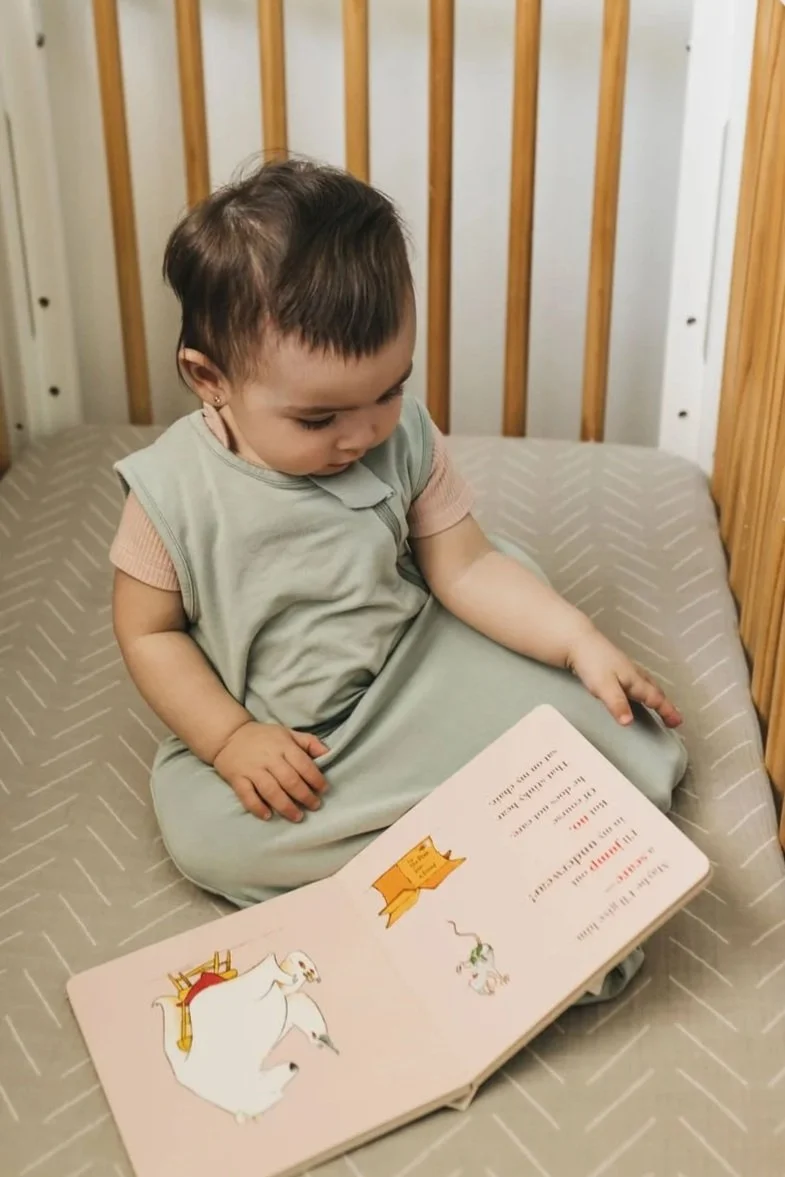
Short naps can also happen at first while daytime sleep starts consolidating into one longer nap
Some Back and Forth Is Normal
One nap might work beautifully on Monday and be an absolute disaster by Wednesday.
This does not mean you did anything wrong. Some toddlers benefit from alternating between one- and two-nap days for a few weeks while they build the stamina for longer wake windows.
Short naps can also happen at first while daytime sleep starts consolidating into one longer nap. On those rough nap days, an earlier bedtime can be one of the simplest ways to prevent overtiredness from snowballing into the night.
An early bedtime is not a failure. It can be used as another tool during the transition.
There Is No Prize For Dropping A Nap Early
A toddler who is genuinely ready will usually settle into the new schedule much more easily than one who is being pushed there simply because of their age.
Give the transition time. Stay flexible and pay attention to what happens to naps, bedtime, night sleep, and early mornings as you make changes.
If you feel like you are stuck between two naps being too much and one nap not being enough, that is exactly the kind of schedule problem we can help troubleshoot at Sleepy Ever After.
Still Not Sure If It’s Time?
Move the morning nap gradually later rather than jumping straight to a noon nap.
Use an earlier bedtime on short-nap or rough transition days.
Don’t panic if you need the occasional two-nap day while your toddler adjusts.
Give the new schedule time. It can take a few weeks for your little one to really settle into a one nap schedule.
If sleep suddenly gets worse across naps, bedtime and overnight sleep, your toddler may need a little more time before fully dropping that second nap.
We'd love to help
If you've been trying to lay your baby down awake but every attempt ends in tears, frustration, or another contact nap, know that you don't have to figure it out alone.
At Sleepy Ever After, helping families troubleshoot these tricky stages is exactly what we love to do.
Sometimes all it takes is one conversation and a personalized plan to help you understand why your baby is struggling and what gentle strategies are most likely to work for your little one.
Our Sleep Strategy Call is designed for parents who don't need weeks of support; they simply need clarity, encouragement, and a plan that fits their baby.
We'd be honoured to help you build those sleep skills together. 🤍
