Signalers and Self-Soothers:
Why Your Baby Doesn’t Need a Sleep Label
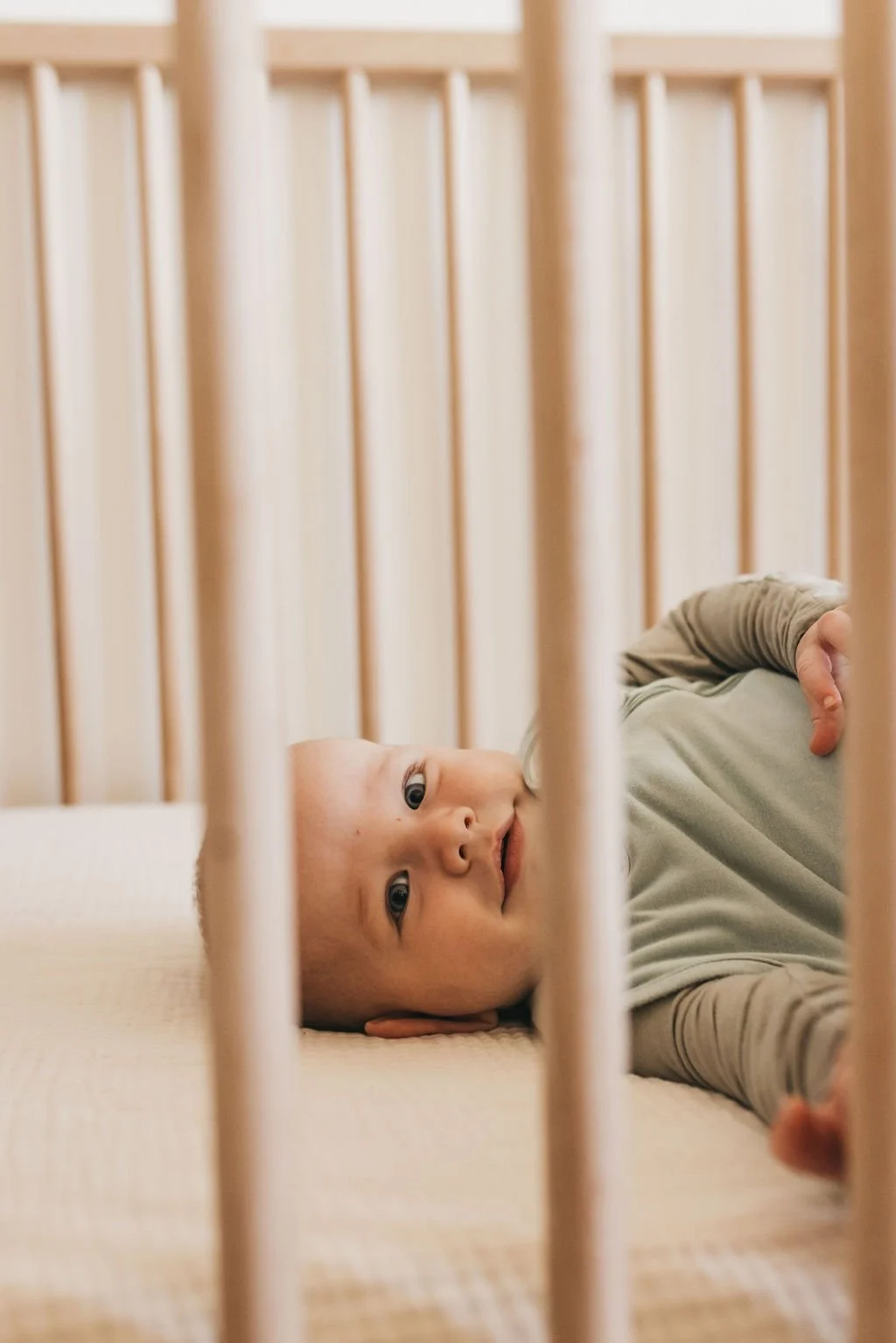
These terms describe observed nighttime behaviour. They do not establish two permanent kinds of babies.
If your baby calls for you throughout the night, hearing that they’re a “signaler” can feel discouraging. Does that mean they’ll always need your help to get back to sleep?
Many social media accounts will say that babies fall into two groups: “self-soothers,” who return to sleep on their own, and “signalers,” who cry for help when they wake.
These terms can describe what researchers observed during nighttime wakings. But they don’t establish a permanent sleep type—or tell us exactly what your baby will need tomorrow.
It sounds like a simple explanation for why one baby sleeps quietly while another needs more support. But it can leave parents wondering whether their baby was born with a sleep type that cannot change.
The research tells a more nuanced story. These terms describe observed nighttime behaviour. They do not establish two permanent kinds of babies.
Where did these labels come from?
Researchers used overnight video recordings to observe something parents could easily miss: babies waking and returning to sleep without waking anyone else.
Self-soothing described returning to sleep without parental help. Signaling described waking and crying or calling out, often bringing a parent to the baby.
Those differences are real. The problem comes when we turn an observation into an identity: My baby is a signaler, so independent settling will never be possible. That conclusion goes beyond what these studies demonstrate.
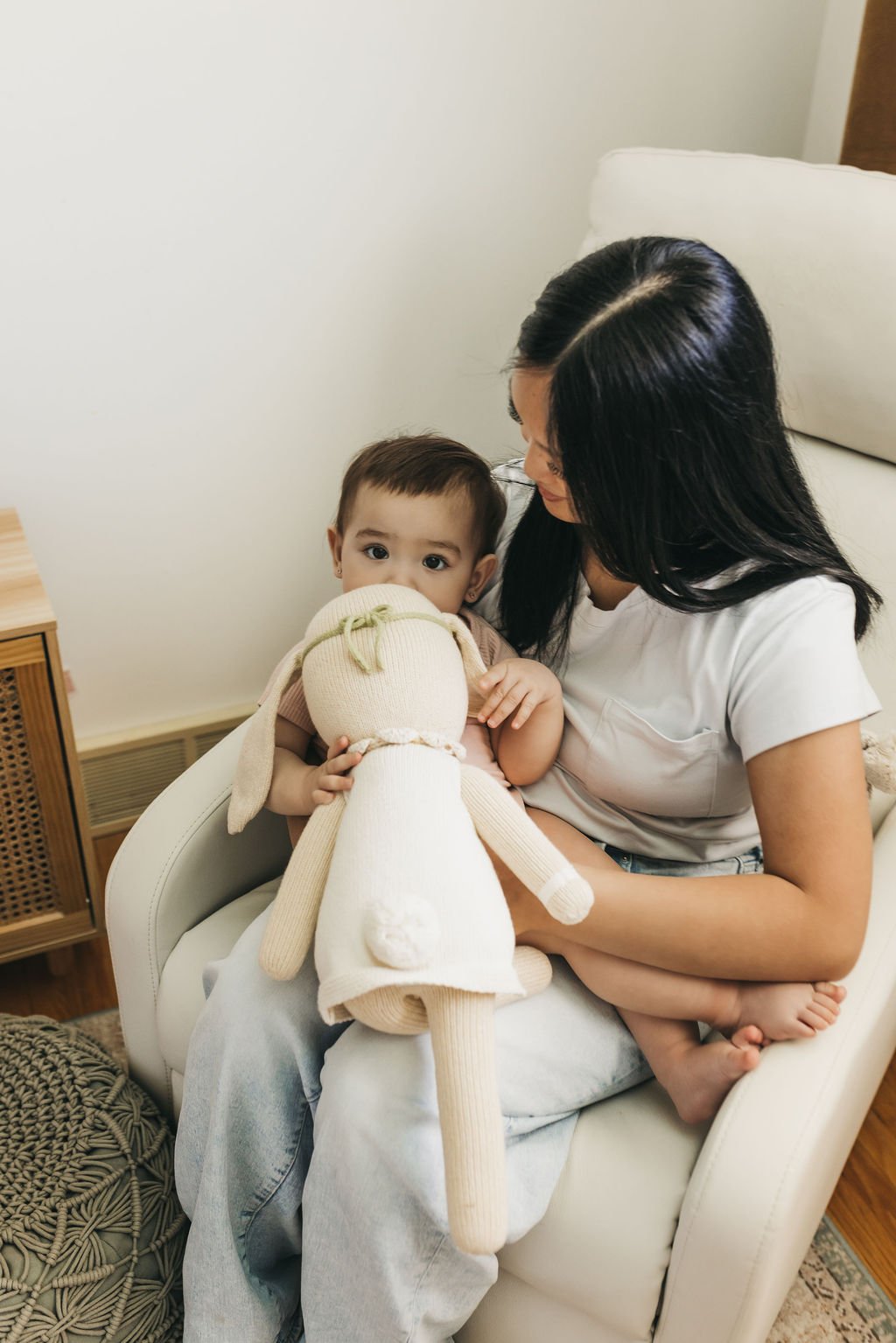
A baby who needs you at one waking may settle independently at another. Neither moment tells the whole story.
The same baby can show both patterns
A 2001 study recorded 80 infants in four age groups—3, 6, 9 and 12 months—recorded over four nights. Researchers observed several kinds of waking within individual babies. Some vocalized and returned to sleep without help. Others received help even without vocalizing.
Babies were grouped according to their most common pattern, rather than a behaviour they showed every time.
Even the group that usually received parental help returned to sleep without assistance during some awakenings. The group that usually settled independently did not do so at every waking either.
That matters. A baby who needs you at one waking may settle independently at another. Neither moment tells the whole story.
Sleep patterns can change as babies grow
In a 2023 reflection on decades of infant sleep research, Thomas Anders described babies who settled independently around three to four months but later became signalers between nine and twelve months. This was a research overview, rather than a new experiment, but it directly challenges the idea of a fixed sleep identity.
A separate longitudinal study in 2002 followed 80 infants across their first year and found considerable individual variation. Its findings suggested that a baby’s development and the care they receive both play a role.
Our takeaway: how a baby settles today is useful information, but it is not a prediction of how they’ll always sleep.
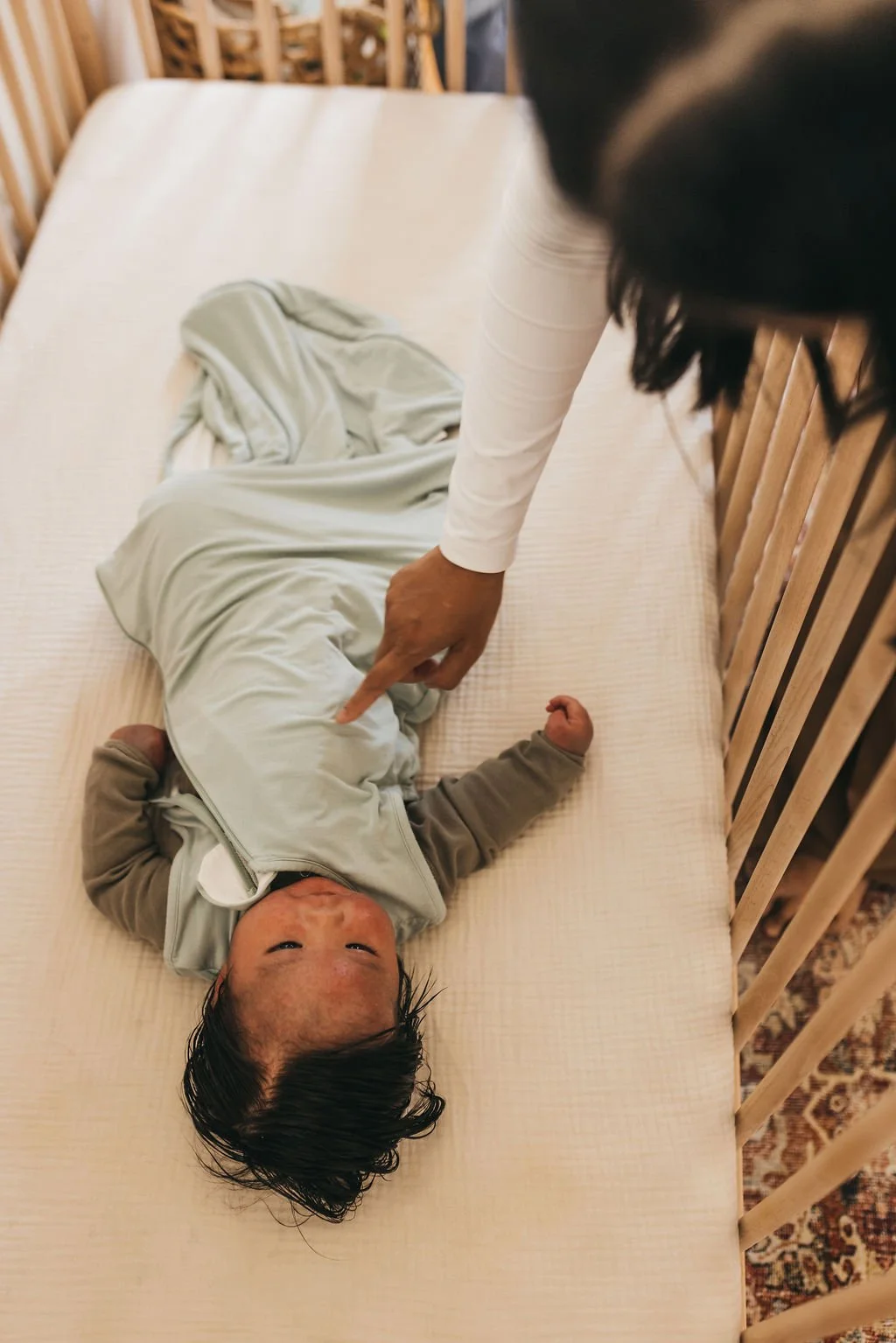
What we should avoid is treating independent resettling as proof of adult-like emotional control, or treating the need for help as a failure.
Returning to sleep is not the same as mature emotional regulation
In these studies, self-soothing was measured through observable sleep behaviour, such as returning to sleep without parental intervention.
That measurement does not, by itself, tell us everything about a baby’s emotions, stress or ability to manage distress in other situations. Watching a baby return to sleep cannot tell us everything about what they’re feeling.
There is evidence that some young infants can resettle independently. A 2015 video study of 101 infants found that approximately one quarter woke and returned to sleep without parental involvement at five weeks and at three months. (Please note, this study did not state that it’s expected for a five-week-old to settle independently or stop needing night feedings).
So saying that babies cannot ever settle themselves would also misrepresent the research. What we should avoid is treating independent resettling as proof of adult-like emotional control, or treating the need for help as a failure.
Receiving help does not establish that a baby was incapable of settling without it. These studies observed babies and caregiver responses.
What does this mean for your family?
If your baby’s wakings have become difficult for your family, the next step is to look at the whole picture: their age, feeding needs, daytime sleep, bedtime routine and what happens when they wake. A label cannot tell us which of those deserves attention.
You don’t have to stop comforting your baby to explore changes. We can start with what your baby needs and what feels manageable for you.
At Sleepy Ever After, we would rather understand your baby’s actual sleep pattern than assign a label.
Does your baby need support at every waking, or only some? Has the pattern changed? Is your current routine working for your family? Those questions give us a more useful starting point.
Research can describe patterns and associations. It cannot promise that every baby will respond in the same way or tell every family to follow one approach.
Your baby can need comfort and still sometimes return to sleep independently. You can offer support and still work toward changes that suit your family.
Your baby deserves an approach that can grow with them, rather than expectations built around a permanent label.

At Sleepy Ever After, helping families troubleshoot these tricky stages is exactly what we love to do.
We'd love to help.
We’d Love to Help
If you’re wondering why your baby needs help at some wakings and settles easily at others, we’d love to help you make sense of the pattern.
Our Sleep Strategy Call gives us time to understand your baby’s sleep, talk through your concerns and create a personalized plan with clear next steps.
You don’t need to figure out which label fits. Let’s understand what’s happening for your little one—and where to begin. 🤍
